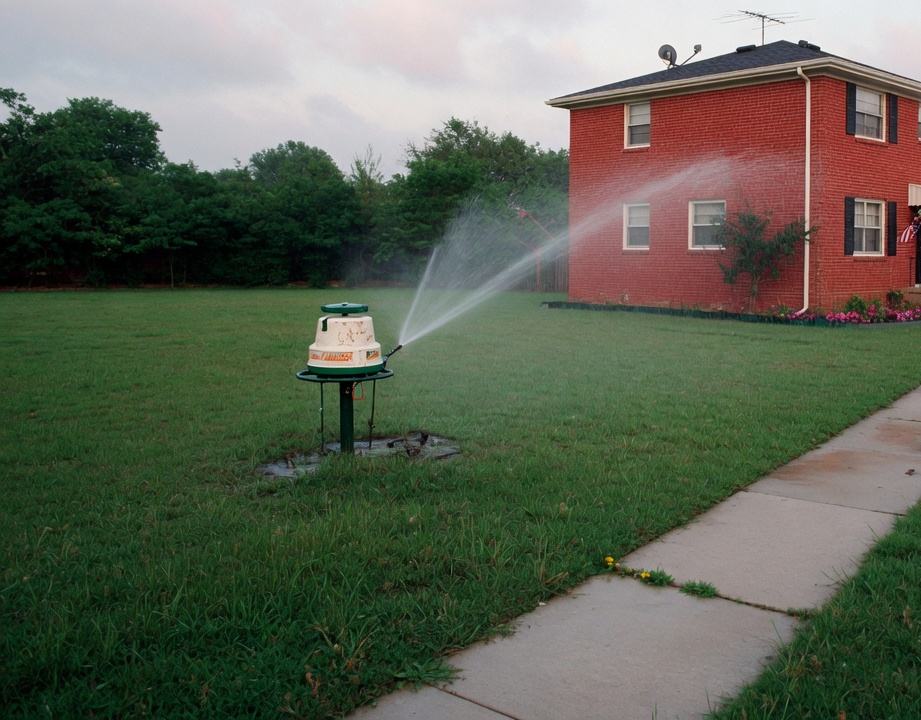
You walk outside and find a sprinkler head snapped off at the base, water bubbling across the sidewalk, and a valve box lid tossed into the street. Vandalism is frustrating, and when it hits your irrigation system, the damage can spread quickly.
If you need sprinkler repair in Lewisville after an intentional act of damage, acting quickly protects your lawn, your water bill, and your property. In this guide, you’ll learn:
- The most common types of vandalism damage to sprinkler systems
- Why fast repairs matter
- What to do the moment you discover the damage
- What the professional repair process looks like
Common Types of Sprinkler Vandalism Damage
Some vandalism is obvious. Some stays hidden until your next watering cycle. Here’s what to look for.
Broken or Missing Sprinkler Heads
Sprinkler heads are the most exposed part of your system, so they’re the most frequent target. They get kicked, stomped, pulled out, or run over. A broken head can shoot water straight into the air or leave a dry patch where coverage should be.
Damaged Valves and Valve Boxes
Valve boxes sit at ground level and are easy to pry open. Vandals may crack valve bodies, twist fittings, or rip out components. A damaged valve can leak constantly or keep a zone from turning on at all.
Pipe Leaks
Digging, driving over the yard, or yanking on exposed lines can crack underground pipes. These leaks often show up as soggy spots, sinking soil, or a sudden spike in your water bill.
Cut Wiring and Solenoid Problems
Control wires connect your controller to each valve. If someone cuts or pulls them, entire zones can stop working. Solenoids, the small electrical parts that open and close valves, can also be damaged. That leaves a zone stuck on or stuck off.
Controller and Backflow Preventer Damage
Outdoor controllers and backflow preventers are sometimes smashed or tampered with. A damaged controller throws off your entire watering schedule. A damaged backflow preventer can affect your system’s ability to protect your drinking water supply.
Why Prompt Sprinkler Repair Matters
You might be thinking a single broken head can wait until the weekend. In many cases, it can’t. Here’s why.
- Flooding risk: A broken line or open valve can release a large amount of water quickly, which can pool against your foundation or flood low spots in your lawn.
- Wasted water and higher bills: Leaks run every time your system cycles, and sometimes nonstop.
- Lawn and landscape damage: Overwatered areas can turn into mud, while zones that stop working can dry out in the North Texas heat.
- Hidden damage spreads: A small crack or cut wire can lead to bigger failures if the system keeps running.
The sooner a technician finds and fixes the problem, the less you’re likely to spend overall.
What to Do Right After You Discover Vandalism
By following these steps, you’ll limit the damage and make the repair process smoother.
- Shut off the water. Turn off your irrigation system at the main shutoff valve. If you can’t find it or can’t stop the flow, call for emergency service.
- Turn off the controller. This prevents scheduled cycles from running through broken parts.
- Document everything. Take clear photos of broken heads, open valve boxes, cut wires, and pooled water. These may help if you file a police report or insurance claim.
- Avoid DIY digging near wires. Cut wiring and electrical components should be handled by someone with the right tools and experience.
- Call a sprinkler repair professional. A trained technician can inspect the full system, not just the damage you can see.
What the Professional Repair Process Looks Like
Knowing what to expect takes some of the stress out of the situation.
Step 1: Full System Inspection
The technician checks every zone, head, valve, and visible line. They also test the controller and wiring to find damage that isn’t obvious from the surface.
Step 2: Clear Diagnosis and Repair Plan
You’ll get a clear explanation of what’s broken and what needs to be fixed. This might include sprinkler head repair, valve repair, pipe leak repair, wiring repair, solenoid repair, or controller repair.
Step 3: Repairs and Replacement Parts
Damaged parts are repaired or replaced. Broken lines are dug up and fixed, cut wires are spliced or rerun, and faulty solenoids are swapped out.
Step 4: Testing and Adjustment
After repairs, each zone is run and checked. Heads are adjusted for proper coverage so your lawn gets watered evenly again.
Common Mistakes to Avoid
- Running the system “to see what happens.” This can make leaks worse and flood your yard.
- Replacing only the visible head. The line or fitting below may be damaged too.
- Waiting for the next billing cycle. By then, you may have paid for a lot of wasted water.
- Ignoring a zone that won’t turn on. A cut wire or damaged solenoid won’t fix itself.
Key Takeaways
- Vandalism can damage heads, valves, pipes, wiring, solenoids, and controllers.
- Shut off the water and controller as soon as you spot damage.
- Photograph everything before repairs begin.
- A full inspection catches hidden problems that lead to bigger repairs later.
- Emergency service is available for major leaks or water you can’t stop.
Get Your Sprinkler System Back on Track
Vandalism is out of your control, but how quickly you respond isn’t. Fast, thorough sprinkler repair helps prevent flooding, protects your lawn, and keeps your water bill in check. A professional inspection makes sure every damaged part gets fixed, including the ones you can’t see.
If vandals have damaged your irrigation system, don’t wait for the problem to grow. Call 940-239-0007 today to request sprinkler repair services in Lewisville. Emergency service is available 24/7, so help is just a phone call away.