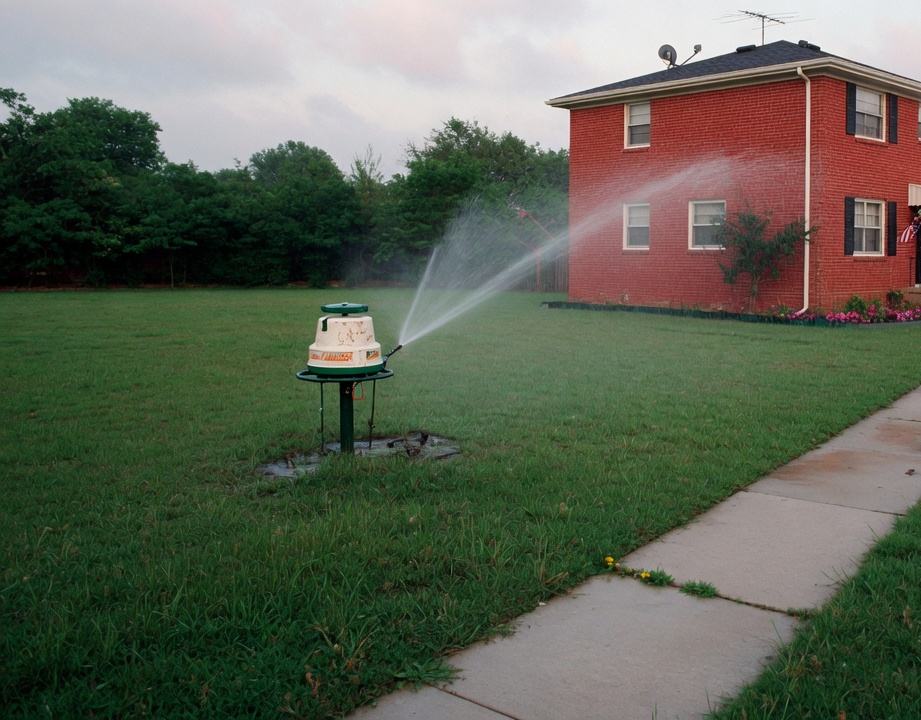
Brown patches on the lawn, droopy shrubs, and flower beds that never seem to thrive often trace back to one source: your sprinkler system. In Lewisville, summer heat, dense clay soil, and sudden winter freezes put real strain on irrigation equipment. When a system isn’t working right, your plants pay the price first.
This guide explains how professional sprinkler repair in Lewisville and regular maintenance lead to healthier plants and shrubs. You’ll learn what’s happening below the surface and how to give every part of your garden the water it needs.
Quick takeaways:
- Hidden leaks and pressure problems can starve some plants while drowning others.
- Soil moisture testing and coverage analysis show where water is actually going.
- Custom design and micro-irrigation deliver precise watering to beds, shrubs, and trees.
- Smart scheduling and seasonal care keep your system healthy all year.
Why Proper Watering Matters for Every Plant in Your Garden
Different plants have different water needs, and a well-tuned sprinkler system respects those differences.
Turf grass, flowering perennials, ornamental shrubs, and young trees all drink differently. Grass has shallow roots and needs frequent, even coverage. Shrubs and trees have deeper roots that benefit from slower, deeper soaking.
When one schedule waters everything the same way, something suffers. Overwatered plants can develop root rot, fungus, and yellow leaves. Underwatered plants wilt, drop leaves, and become easy targets for pests and disease.
North Texas adds another challenge. Clay-heavy soil absorbs water slowly, so heavy watering often runs off before it reaches the roots. That’s why the right amount of water, delivered at the right pace, matters so much.
Why it matters: Healthy roots build healthy plants. Consistent, appropriate watering is the foundation of a landscape that stays green and resilient through tough Texas seasons.
Finding the Problems You Can’t See
Many of the most damaging sprinkler issues hide underground or inside the system.
Your sprinklers might turn on every morning and still fail your plants. Small problems often go unnoticed until the damage shows up in your landscape. Professional diagnostics catch these issues early.
Leak Detection
A cracked pipe or broken fitting can waste water for months without obvious signs. Meanwhile, the plants downstream of that leak get less water than they should. Nearby areas may become soggy, which can harm roots and attract pests.
We use advanced tools to locate hidden leaks without tearing up your yard. Common warning signs include:
- Unusually high water bills
- Soggy spots or standing water between watering cycles
- Sunken soil or small sinkholes
- One area that stays dry no matter how long the system runs
Pressure Testing
Water pressure that’s too high causes misting. Fine droplets drift away in the wind or evaporate before hitting the ground. Pressure that’s too low leaves heads sputtering and coverage spotty.
Pressure testing confirms your system runs within its ideal range. Pairing it with flow rate testing shows whether each zone is getting the water volume it was designed for.
Why it matters: Fixing leaks and pressure problems often solves “mystery” dry spots and struggling shrubs. It also cuts water waste, which saves you money.
Measuring What Your Soil and Plants Actually Receive
Testing replaces guesswork with real data about your yard.
Looking at the surface of your lawn doesn’t tell you what’s happening at root level. Soil can look dry on top while staying waterlogged a few inches down. The opposite happens too.
Soil Moisture Testing
Soil moisture testing checks how much water is available where roots actually grow. This tells us whether your current schedule is too much, too little, or just right. It’s especially helpful in clay soil, which holds water differently than sandy or loamy soil.
Coverage Analysis
Coverage analysis checks how evenly water spreads across your landscape. Over time, heads get knocked out of alignment by mowers, foot traffic, or shifting soil. Growing shrubs can also block spray patterns.
During analysis, we look for:
- Dry gaps between sprinkler heads
- Overlap zones getting double the water
- Spray hitting sidewalks, driveways, or fences
- Plant growth blocking heads
A simple head adjustment can often restore even coverage. In other cases, adding or relocating heads makes the biggest difference.
Why it matters: When you know exactly where water goes, you can fix problem areas instead of just running the system longer.
Custom Sprinkler Design for Diverse Landscapes
A system built around your specific yard waters each area the way it needs.
Many homes come with basic sprinkler systems that weren’t planned around the current landscape. You may have added flower beds, planted shrubs, or built a patio since then. Your irrigation should keep up with those changes.
Tailored System Design
Custom sprinkler design starts with your yard’s layout, sun exposure, slopes, and plant types. Shady areas need less water than spots baking in afternoon sun. Slopes need slower watering to prevent runoff.
We group plants with similar needs into the same zones. That way, your thirsty lawn doesn’t dictate how much water your drought-tolerant shrubs receive. We can also integrate your system with existing landscape features, like walkways, garden borders, and rain gardens.
Micro-Irrigation for Beds, Shrubs, and Trees
Spray heads work well for lawns, but they’re not ideal for every plant. Micro-irrigation, including drip lines and low-flow emitters, delivers water directly to the root zone.
This approach offers several benefits:
- Less evaporation and runoff
- Dry leaves, which lowers the risk of fungal disease
- Deep, steady watering that encourages strong roots
- Fewer weeds, since water goes only where plants need it
Micro-irrigation is a great fit for flower beds, vegetable gardens, foundation shrubs, and young trees.
Why it matters: The right equipment in the right place turns a one-size-fits-all system into one that supports every plant in your garden.
Customized Water Scheduling That Fits the Season
Smart scheduling adjusts to your plants, your soil, and the weather.
A schedule set once and forgotten rarely works for long. Lewisville weather swings from scorching summers to mild falls and chilly winters. Your plants’ water needs shift right along with it.
We develop customized watering schedules based on your zones, soil type, and plant varieties. For clay soil, we often recommend “cycle and soak” watering. This splits one long session into shorter cycles, giving water time to sink in before more is added.
Controller programming and rain sensor calibration keep schedules on track. A properly calibrated rain sensor stops your system from running during or after a storm. Weather-based irrigation evaluation also helps your system respond to changing conditions.
Common scheduling mistakes to avoid:
- Watering midday, when heat causes rapid evaporation
- Watering every day for short periods, which encourages shallow roots
- Using the same schedule in July and November
- Ignoring a faulty rain sensor
Why it matters: Good scheduling keeps plants healthy while using less water, which is a win for your landscape and your budget.
Seasonal Sprinkler Maintenance in Lewisville
Year-round care prevents breakdowns and protects your investment.
Your sprinkler system works hard, and seasonal maintenance keeps it ready for whatever North Texas weather brings.
Spring Startup
Spring startup gets your system ready for the growing season. We turn on the water slowly, check each zone, clean filters, and look for damage from winter. We also update controller settings so your plants get the right amount of water as temperatures climb.
Winterization
Winter in Lewisville can be unpredictable, and a hard freeze can crack pipes, valves, and backflow devices. Winterization prepares your system to handle cold weather and prevent freeze damage. That protection saves you from costly repairs come spring.
Zone Inspection and Adjustment
Regular zone inspections confirm that each area of your system works correctly. We check valves, heads, and wiring, then adjust spray patterns and run times as needed. Clearing debris from valve boxes and checking pressure across zones rounds out a thorough tune-up.
Why it matters: Seasonal maintenance catches small problems before they turn into dead plants or expensive repairs.
Signs You Need Sprinkler Repair
Your landscape often shows symptoms before you spot the cause.
Watch for these red flags:
- Brown or yellow patches in an otherwise green lawn
- Shrubs wilting even though the system runs regularly
- Broken, leaning, or stuck sprinkler heads
- Zones that won’t turn on or won’t shut off
- Water pooling near heads or valves
- A sudden jump in your water bill
If you notice any of these, a professional inspection can pinpoint the problem quickly.
Common Questions About Sprinkler Repair in Lewisville
How often should my sprinkler system be inspected?
We recommend an inspection at least twice a year, typically during spring startup and before winter. Yards with many zones or mature landscaping may benefit from more frequent checks.
Can my existing system be updated for flower beds and shrubs?
Yes. In many cases, we can convert spray zones to micro-irrigation or add new zones without replacing your entire system.
Why are some of my plants dying while others look fine?
Uneven coverage, hidden leaks, or pressure problems are common causes. Coverage analysis and leak detection can identify exactly what’s going wrong.
Is winterization really necessary in North Texas?
Hard freezes do happen here, and exposed pipes and backflow devices are vulnerable. Winterization is an affordable way to avoid freeze damage.
Give Your Garden the Water It Deserves
Healthy plants and shrubs depend on a sprinkler system that delivers the right amount of water to the right places. Leak detection, pressure testing, soil moisture testing, and coverage analysis reveal what’s really happening in your yard. Custom design, micro-irrigation, smart scheduling, and seasonal maintenance keep every part of your garden thriving.
Don’t let a struggling system hold your landscape back. Get in touch with our team today. Call 940-239-0007 to schedule expert sprinkler repair in Lewisville and give your lawn, flowers, and shrubs the care they need to flourish.