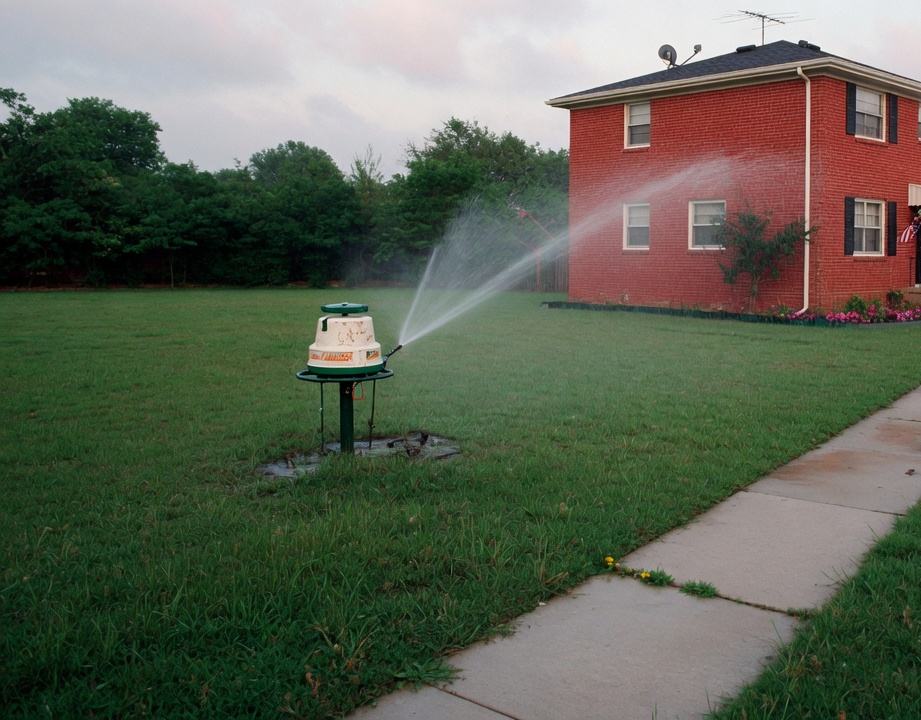
A sprinkler system can look fine from the street and still waste thousands of gallons every season. A cracked pipe under the turf, a misaligned head spraying the driveway, or a controller still running a July schedule in October all add up quietly. You often don’t notice until the water bill arrives or brown patches appear. That’s where professional sprinkler repair in Lewisville comes in — catching these hidden issues early before they drain your budget and your water supply.
If you own a home or manage a commercial property in Lewisville, a water efficiency audit is one of the smartest ways to stop that waste. It’s a full checkup of your irrigation system that shows where water goes, where it’s lost, and what to fix first. Paired with expert sprinkler repair in Lewisville, an audit turns guesswork into a clear plan.
This guide covers:
- Why audits matter for North Texas properties
- What happens during each step of the audit process
- How audits save you money and conserve water
- Which upgrades, like system retrofits and remote monitoring, can make your results last
What a Water Efficiency Audit Tells You About Your System
A water efficiency audit is a hands-on inspection of your entire irrigation system. A trained technician tests how your system performs in real conditions, not just whether it turns on. The goal is simple: deliver the right amount of water to the right places at the right time.
At the end, you get a clear picture of your system’s health. That includes hidden leaks, pressure problems, uneven coverage, and scheduling issues. You also get practical recommendations ranked by impact, so you know which fixes will save the most water.
Think of it as the difference between a quick glance at your car and a full diagnostic scan. Both have value, but only one finds the problems you can’t see.
Why Lewisville Properties Need Water Efficiency Audits
Lewisville’s climate and soil create unique challenges for irrigation. Summers regularly push past 100°F, and long dry stretches put heavy demand on sprinkler systems. Then spring storms can drop inches of rain in a single afternoon, and an unchecked system may keep running anyway.
Soil plays a big role too. Much of the area has dense clay soil that absorbs water slowly. When sprinklers run too long in one cycle, water pools and runs off into the street instead of soaking down to the roots.
Local watering schedules and seasonal restrictions also matter. A system that isn’t tuned to these rules can lead to wasted water or unhealthy turf. An audit helps your system work with Lewisville’s conditions instead of against them.
What Happens During a Water Efficiency Audit: Step by Step
Every property is different, but a comprehensive audit follows a proven process. Here’s what our technicians check and why each step matters.
1. Leak Detection
Leaks are the biggest source of hidden waste. We use advanced tools to find leaks in underground pipes, valves, and fittings, even when there’s no obvious puddle. Signs like soggy spots, sinking soil, or unusually green patches often point to a problem below.
Finding a leak early prevents bigger damage. A small pipe leak can wash out soil, harm your foundation area, and drive up your bill month after month.
2. Pressure Testing
Sprinkler heads are designed to work within a specific pressure range. When pressure is too high, water mists into the air and blows away before it lands. When it’s too low, heads don’t pop up fully and leave dry rings.
We measure pressure across your zones to confirm your system runs at its optimal level. If needed, we recommend pressure-regulating heads or valve adjustments.
3. Flow Rate Testing
Flow rate testing measures how much water moves through each zone. Comparing actual flow to expected flow reveals problems like broken lines, blocked nozzles, or mismatched equipment.
This step is a key part of calculating how long each zone should run. Without accurate flow data, run times are just a guess.
4. Coverage Analysis
Even distribution keeps your whole lawn healthy. During coverage analysis, we check spray patterns, head spacing, and alignment. We look for overspray onto sidewalks, driveways, and walls, plus any dry gaps between heads.
Poor coverage leads to a common mistake: running the whole system longer to fix one dry spot. That overwaters everything else. Fixing coverage solves the real problem.
5. Soil Moisture Testing
We check soil moisture at different depths and locations around your property. This shows whether water is reaching the root zone or sitting near the surface.
In Lewisville’s clay soil, this step is especially useful. It often reveals that shorter, repeated cycles, sometimes called “cycle and soak,” work far better than one long watering session.
6. Weather-Based Irrigation Evaluation
Your system should adapt to the weather, not ignore it. We evaluate whether your controller adjusts for rainfall, temperature, and seasonal changes. We also test rain sensors to confirm they shut off watering when they should.
A system that waters during a storm wastes water and money. Weather-based adjustments keep watering aligned with what your landscape actually needs.
7. Controller Review and Water Usage Report
Finally, we review your controller settings and confirm everything operates correctly. Then we put our findings into a clear water usage report. You’ll see what we found, what it’s costing you, and which fixes we recommend first.
How a Water Efficiency Audit Saves You Money and Conserves Water
The savings from an audit come from many small fixes working together. Each one reduces waste, and the combined effect shows up on your water bill.
Here’s how it works:
- Fixing leaks stops water from flowing where no one benefits.
- Correcting pressure keeps water on your lawn instead of drifting away as mist.
- Improving coverage lets you shorten run times across the whole system.
- Matching schedules to soil and weather prevents runoff and skips unnecessary watering.
Healthier landscapes are another payoff. Overwatering can lead to shallow roots, fungus, and weeds. Underwatering stresses turf and plants during summer heat. A balanced system grows deeper roots that handle North Texas weather better.
Conservation matters for the whole community too. Using water wisely helps protect local supplies during dry seasons. It also makes it easier to stay within local watering guidelines without sacrificing curb appeal.
Signs It’s Time to Schedule an Audit
Not sure if you need an audit? Consider booking one if any of these sound familiar:
- Your water bill has jumped without a clear reason.
- You see puddles, soggy areas, or runoff after watering.
- Some lawn sections stay brown while others look overgrown.
- Water sprays onto sidewalks, driveways, or the side of your house.
- Your system is more than 10 years old and hasn’t been inspected.
- You recently bought a property and don’t know the system’s history.
Choose an audit if you want to find the root cause of a problem. Choose a quick repair call if you already know exactly what’s broken, like a single snapped sprinkler head. Many customers start with an audit and handle repairs in the same visit.
Water Efficiency Audits for Commercial Properties
Commercial landscapes in Lewisville face bigger stakes. Office parks, retail centers, HOAs, and apartment communities often have large, complex systems with many zones. Small inefficiencies across that much ground add up quickly.
An audit helps property managers control operating costs and plan budgets with confidence. It also reduces liability from water pooling on walkways and parking lots. Detailed water usage reports make it easier to track performance and justify upgrades to owners or boards.
We also check backflow prevention devices during commercial audits. Keeping these working properly protects the water supply and helps you stay on track with testing requirements.
After the Audit: Repairs, Retrofits, and Remote Monitoring
An audit shows you what to fix. The next step is putting those findings to work.
Targeted Repairs
Many issues can be solved right away. Our team handles sprinkler head repair, valve repair, pipe leak repair, wiring and controller repair, rain sensor repair, drip line repair, and more. Fixing problems promptly locks in your savings.
System Retrofits
Older systems often waste water simply because of outdated parts. A system retrofit updates your equipment to modern standards. That can include high-efficiency nozzles, pressure-regulating heads, drip irrigation for flower beds, and smart controllers.
Retrofits make sense when repairs alone won’t fix the core issue. If your system has poor design, worn-out parts throughout, or no weather-based control, upgrading is often the better long-term value.
Remote Monitoring
Remote monitoring lets you check and adjust your system from your phone or computer. You can pause watering before a storm, catch unusual flow that signals a leak, and fine-tune schedules without walking out to the controller.
This is especially helpful for commercial properties, rental homes, and busy homeowners who travel. It keeps your audit results working long after the technician leaves.
Common Mistakes That Undo Your Savings
Even a well-tuned system can drift off track. Watch out for these common mistakes.
Setting the controller once and forgetting it is the most frequent issue. Your lawn needs far less water in November than in August. Seasonal adjustments make a big difference.
Ignoring small problems is another. A single broken head can waste a surprising amount of water each cycle. Report issues early so they don’t turn into bigger repairs.
Finally, skipping regular checkups lets wear and tear build up. Mowers, foot traffic, shifting soil, and freezes all take a toll. An annual audit or inspection keeps your system running efficiently year after year.
Take Control of Your Water Use in Lewisville
A water efficiency audit gives you a clear, honest look at how your irrigation system performs, and what it’s costing you. With leak detection, pressure and flow testing, coverage analysis, soil moisture checks, and weather-based evaluation, you get answers instead of guesses.
Here’s what you can do today:
- Check your last few water bills for unexplained spikes.
- Run each zone for a few minutes and look for leaks, overspray, or heads that don’t pop up.
- Review your controller schedule and make sure it fits the current season.
- Schedule a professional audit to find the problems you can’t see.
Whether you manage a commercial property or care for your family’s yard, our local team understands Lewisville’s heat, clay soil, and watering needs. We’ll help you save water, lower your bills, and keep your landscape healthy.
Request Service online or call us at 940-239-0007 to schedule your water efficiency audit today. A smarter, more efficient system starts with one visit.